
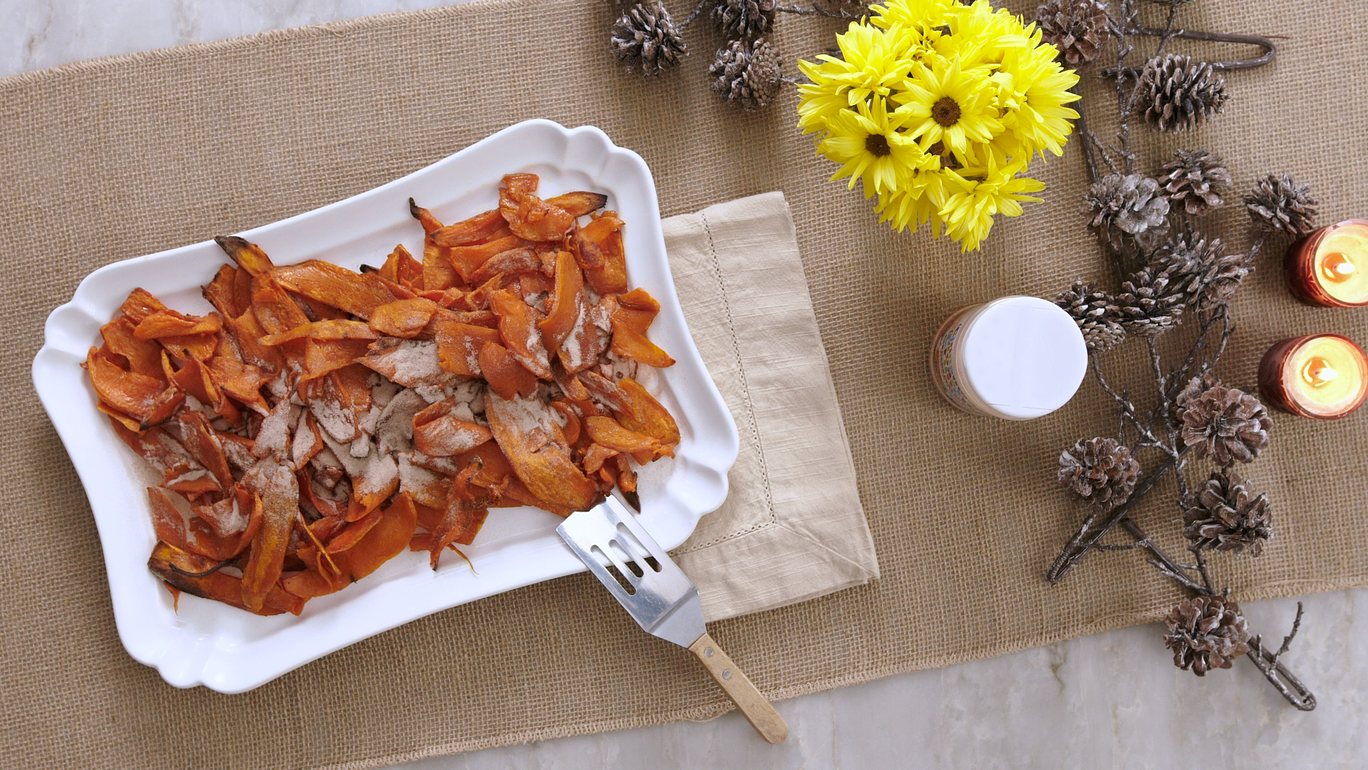
We are excited to kick off a new blog series called “Kitchen Confidential!” This is where we’ll discuss some common kitchen mishaps and how to avoid them.
Your oven’s broiler. Does the thought of using it make you want to break into a sweat? Do you avoid it at all costs? If so, you’re not alone. The broiler, while incredibly handy, can also be an incredibly fickle way to lightly toast or melt food. Feeling nervous and take things out too early? Your food will be cold and not much different than when you put it in. Leave the food in too long? You are left with a rock hard, inedible mess (or even a fire, yikes)!
Let us help you Make Broiling Better. The broiler is such a handy way to prepare food – when it’s used right! Don’t be ashamed if you’ve messed up this feature before – one of the reasons we’re writing this blog is because we’ve been there before, too!
What is a Broiler?
A broiler is the part of your oven that cooks food using very high, direct heat from above. Think of it as your oven’s version of upside-down grilling.
How it works
-
The heating element at the top of the oven turns on.
-
It blasts intense heat (usually 500–550°F).
-
Food placed close to that heat cooks quickly and browns on top.
Why Would You Use a Broiler?
You use a broiler when you want intense, direct heat from above to finish or quickly cook something. It’s not for slow cooking. It’s for speed + browning + texture.
Here’s when it really earns its keep:
1. To Brown or Caramelize the Top
That golden, slightly crispy finish? That’s broiler magic.
-
Melt and blister cheese on casseroles
-
Brown the top of mac & cheese
-
Toast breadcrumbs on a baked dish
2. To Create a Quick Crust
High heat = fast surface sear.
-
Finish a steak after pan-searing
-
Add char to salmon or shrimp
-
Crisp chicken skin
3. To Toast or Crisp Fast
It works way faster than a toaster oven.
-
Garlic bread
-
Open-faced melts
-
Reviving leftover pizza
4. To Add Texture at the End
You’ve cooked something through, but it needs contrast.
-
Roasted veggies that need more char
-
Casseroles that look pale
-
Nachos that need bubbly cheese
The real reason?
Flavor.
That high heat triggers browning (the Maillard reaction), which creates deeper, richer taste. It’s how you get that restaurant-style finish at home.
How to Use the Broiler
Bread and Toast
-
1–2 minutes per side
-
Flip carefully
-
It goes from perfect to burnt in seconds
Final Broiler Wisdom to Remember
-
Thin food = fast (1–5 min)
-
Thick food = flip halfway
-
Always watch
-
Browning happens fast at the end
Mishaps Happen!
It takes a little practice to get your broiling skills down to perfection. But mistakes happen, so here’s what to do just in case!
This is one of those “stay calm and act fast” moments.
Broiler fires usually happen because of grease splatter hitting the heating element. They flare up quickly — but they’re usually manageable if you respond correctly.
Here’s exactly what to do:
1️⃣ Do NOT Open the Oven Door
Opening the door feeds the fire oxygen and can cause a flare-up.
Keep it closed.
2️⃣ Turn the Oven Off Immediately
Shut off the broiler (and oven entirely if needed).
Most small grease fires will burn out within seconds once the heat source is off.
3️⃣ Keep the Door Closed
Let the fire suffocate itself.
Watch through the window if your oven has one.
4️⃣ If Flames Don’t Go Out
If it keeps burning more than 30–60 seconds:
-
Leave the door closed.
-
If needed, use a fire extinguisher rated for kitchen fires (Class B or ABC).
-
If it spreads or feels out of control, call emergency services.
Never Do This
-
Don’t throw water on it.
-
Don’t open the door and try to smother it with a towel.
-
Don’t pull the pan out while it’s flaming.
After It’s Out
-
Let the oven cool completely.
-
Clean out grease buildup before using again.
-
Check that nothing melted or warped.
How to Prevent It Next Time
-
Trim excess fat from meat.
-
Use a foil-lined pan to catch drips.
-
Don’t overcrowd fatty foods.
-
Keep rack slightly lower if flare-ups happen often.
Most broiler flare-ups are small and self-contained — but the key is calm + closed door + turn it off.